
Table of Contents
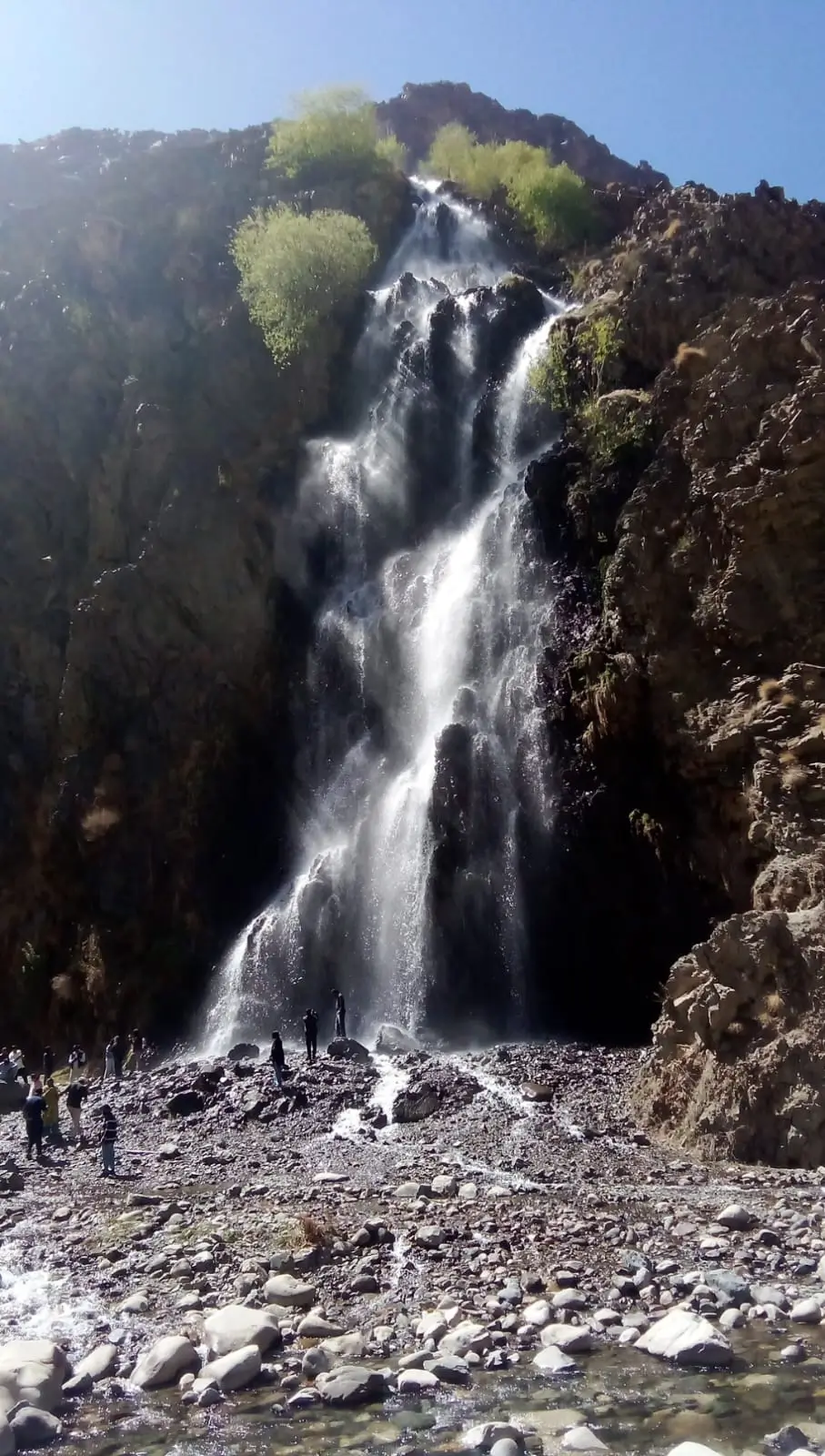
Manthokha Waterfall (often spelled Mantokha) is a 180-foot (55m) high waterfall in the Kharmang Valley of Skardu, Gilgit-Baltistan. It plunges through multi-tiered cliffs into a rocky basin, surrounded by lush green pastures and towering peaks. This scenic spot is about 80 km (a ~2-hour 4×4 drive) northeast of Skardu. The area offers easy short trails to the falls, excellent trout fishing and local cuisine, and is ideal for picnics, photography, and camping. The best visiting time is late spring to early autumn (May–September) when the waterfall is at its peak flow and the valley is green.
Quick Facts
| Fact | Detail |
|---|---|
| Location | Manthokha village, Kharmang Valley (Gilgit-Baltistan, Pakistan) |
| Coordinates | 35.06°N, 75.92°E |
| Height | ≈180 feet (55 m) |
| Best Time to Visit | May – September (warm weather, strong flow) |
| Difficulty | Easy (short, well-marked trail from parking) |
| Nearest Town | Skardu city (2 hours drive) |
What Is Manthokha Waterfall?
Manthokha (or Mantokha) Waterfall is a scenic cascade in northern Pakistan, known for its multi-tiered drop amid green meadows. It is one of Gilgit-Baltistan’s most famous waterfalls, set against the rugged Karakoram backdrop. The fall is fed by glacial streams, and its crystal-clear water flows into trout-stocked pools. Visitors often admire the falls from the base, picnic on the grassy banks, or photograph it with snow-capped peaks and the Indus River valley in the distance.
Location & How to Reach
Manthokha Waterfall lies in the remote Kharmang Valley. From Skardu city, the drive is about 80 km (roughly 2–3 hours) via winding mountain roads. The route follows the Indus River and passes small villages like Hussainabad, Kharmang Bazaar and trout farms. A sturdy 4×4 jeep is recommended due to rough roads, especially in monsoon season. Hiring an experienced local driver or guide is advised to handle narrow sections.
For example, one can rent a car in Gilgit or Skardu and drive via the Karakoram Highway. From Gilgit, it’s an 8–10 hour drive to Skardu, then onward to Manthokha. From Islamabad, you could fly to Skardu/Gilgit and then drive. Upon reaching Manthokha village, look for signs to the waterfall; parking is available at a nearby point, after which a short trail leads to the falls.
For rental vehicles and local transport, consider our car rental Skardu, which can also arrange travel to Skardu.
Trail Description
From the parking area near Manthokha village, a well-trodden path (about 0.5 km) leads downhill to the waterfall. The trail is short and easy (mostly level or gentle incline). It takes roughly 15–20 minutes on foot. Hikers will cross a small stream and scramble over rocks in places. In summer, wildflowers carpet the trail. No special equipment is needed—sturdy shoes are recommended due to loose gravel and wet stones near the water.
Trail Safety Tips
- Wear sturdy, closed-toe shoes; paths and rocks can be slippery, especially near the cascade.
- Hold onto ropes or handrails if provided; avoid venturing too close to the edge of the waterfall pool.
- Check weather: avoid the trip during heavy rain or if landslides are reported, as mountain roads can be treacherous.
- Carry enough water and snacks; the strong sunlight at high altitude can be dehydrating.
- Beware of cold water and currents if you swim. Locals swim in natural pools, but most visitors admire from the banks.
- Keep children supervised at all times, as the terrain is uneven.
- Prepare for limited cell service; share your plan with someone and consider offline navigation.
Best Viewpoints & Photo Spots
The main viewpoint is at the base of the falls. A wide grassy area lets you capture the entire drop against the backdrop of green forests and blue sky. Walk slightly to either side of the basin for different angles. The afternoon light (3–5pm) often provides the best contrast on the white water. Photographers recommend visiting early in the morning or late afternoon when the light is soft.
For a broader perspective, hike a short distance upstream along the stream or trails that run parallel to the falls; this reveals the multi-tier structure and the surrounding valley. On clear days, one can even glimpse the distant Indus River and mountain peaks in the background. Bring a wide-angle lens for scenic panoramas, and a telephoto zoom to focus on the rushing water or local details like trout in the stream.
Flora & Fauna
Manthokha lies in a lush alpine meadow environment. The slopes above the waterfall are dotted with wildflowers such as poppies and rhododendrons in spring. Tall poplar and willow trees line the stream banks near the falls, providing shade. In wetter spots, ferns and mosses cling to the rocks. On summer evenings, you may see swallows and swifts flying around the falls, or hear distant calls of Himalayan monal (pheasants) and chukar partridges among the hills.
The crystalline pools below the falls are stocked with rainbow trout (due to local trout farms nearby). Anglers sometimes catch trout in the stream. The area also has a variety of butterflies and dragonflies on warm days. Due to the remote, pristine nature of the valley, you may occasionally see ibex or even a snow leopard track on the higher rocky slopes (though wildlife sightings are rare).
Local Culture & History
Manthokha Waterfall is in the heart of Baltistan. The people here are from the Balti community, a proud Himalayan ethnic group known for warm hospitality. Balti is their native language, and many locals are multilingual (Urdu, Shina, etc.). Historically, Baltistan was ruled by the Maqpon dynasty, and while Manthokha itself has no ancient ruins, the Kharmang region is rich in Balti culture.
You’ll encounter locals wearing traditional woolen caps and colorful pakol hats. Many families run small guesthouses and food stalls by the waterfall. They proudly serve butter tea (salty tea with yak butter), Balti pulao (rice with mutton), and fresh trout dishes. These communities also practice trout farming, so the waterfall’s crystal pools teem with fish. When visiting, be respectful: ask permission before taking photos of people, and feel free to taste local cuisine (the trout is renowned). There are no ancient festivals or myths specifically tied to Manthokha, but the site is celebrated as a natural treasure by Baltis and trekkers alike.
Accommodation & Camping
There is no formal hotel at the waterfall itself, but basic lodging exists nearby in Kharmang and Manthokha village. Several guesthouses and inns offer simple rooms (often with heating and home-cooked meals). Alternatively, many travelers opt to stay in Skardu (80 km away) and make a day trip to Manthokha. If camping, you can pitch tents on the flat grassy meadows above the falls; this is a popular option under the stars.
Camping here is generally safe, but come prepared: bring a warm sleeping bag (nights can drop near 0°C even in summer). There are a few rudimentary toilets and makeshift stalls for snacks at the site, but no formal facilities. It’s advisable to carry your own food and water if staying overnight.
Restaurants
There is are few restaurants available at Mantokha waterfall. Offering many food options such as biryani, karhai, and pizza as well.
Suggested Itineraries
Day Trip from Skardu: Depart Skardu early (~7:00), arrive Manthokha by 9:00 via jeep. Spend the morning at the falls (hike, photos, picnic). Have lunch at a local stall (~12:00), then return to Skardu by mid-afternoon (~15:00). This itinerary allows 5–6 hours at the waterfall with plenty of time to explore and relax.
2-Day Adventure: Day 1: Drive from Skardu to Manthokha, set up camp near the falls. Enjoy sunset/stargazing. Day 2: Sunrise at the falls, short hike to nearby scenic viewpoints, then return to Skardu in late morning. This lets you experience the falls at different times of day with minimal rush.
| Day | Time | Activity | Est. Cost (PKR) |
|---|---|---|---|
| Day 1 | 7:00 AM | Depart Skardu for Manthokha Waterfall (80 km by jeep) | Jeep hire ~5,000 |
| Day 1 | 9:00 AM | Arrive & hike to waterfall; sightseeing & photos | – |
| Day 1 | 12:00 PM | Lunch picnic by waterfall (local trout, tea) | Lunch ~500 |
| Day 1 | 2:00 PM | Return drive to Skardu | – |
| Day 2 | 6:00 AM | Optional: Sunrise at Manthokha & camp breakdown | – |
| Day 2 | 9:00 AM | Depart Manthokha, arrive Skardu by 11:00 | – |
Packing Checklist
- Clothing: Layered warm clothes (even summer nights are cool), waterproof jacket (if rain likely), hat and sunglasses.
- Footwear: Good hiking shoes or sturdy sneakers for trails and slippery rocks.
- Essentials: Refillable water bottle, snacks/packed lunch (especially if camping), sunscreen and insect repellent.
- Gear: Camera/binoculars (for trout and mountain views), power bank (limited electricity), flashlight/headlamp (for camping).
- Extras: First-aid kit, trekking pole (optional), small trash bag (leave no trace). If camping: tent, sleeping bag/mat.
- Cash: Small Pakistani rupees for local purchases; ATMs are only in Skardu.
FAQs about Manthokha Waterfall
Where is Manthokha (Mantokha) Waterfall located?
It’s in Manthokha village, Kharmang Valley, Gilgit-Baltistan, Pakistan. The falls lie about 80 km northeast of Skardu city
How tall is the waterfall?
About 180 feet (55 meters) high, making it one of the tallest waterfalls in the region.
What is the best time to visit?
Summer months (May to September) are best. The weather is warm and the waterfall is at full strength. Winter roads can be blocked by snow, and monsoon rains (July) may cause landslides.
How do I get there from Skardu/Gilgit?
From Skardu: take the Skardu–Gilgit road then turn towards Kharmang; it’s ~80 km (2–3 hours) by 4×4 jeep. From Gilgit: drive 8–9 hours to Skardu, then proceed. Flights to Skardu followed by road is another option.
Is the hike to the waterfall difficult?
No, the hike is short (~10–20 min) and easy. The trail from the road is mostly flat. However, the road to get there can be rough, so 4×4 transport is needed.
Are there any entry fees or permits?
Yes, entry fee is Rs. 200/- per person required for Manthokha Waterfall.
Can I swim in the waterfall pools?
While people sometimes swim in the calm pools, the water is very cold (glacial melt) and current can be strong. Use caution on slippery rocks and follow local advice.
What facilities are available?
Facilities are minimal: a few local restaurants and basic toilets at the site. It’s best to bring your own water and snacks. Mobile signal is limited, so plan ahead.
Is camping allowed at Manthokha?
Yes, camping is popular. Grassy meadows around the waterfall make good campsites. There are no official campgrounds, so you sleep under the stars. Ensure you pack all supplies, and remember it gets cold at night.
Are children and elderly welcome?
The short hike is suitable for all ages. However, the uneven terrain means children should be supervised. Elderly or those with mobility issues can enjoy the picnic area near the parking, but should be cautious on the trail and around the water.
For related travel resources, see our Hotels in Hunza Valley, Hunza Valley Tour Package, and Hunza Valley Travel Guide.